Understanding Employer Responsibility in Work-Related Car Accidents
Understanding Employer Responsibility in Work‑Related Car Accidents
When employees drive for work—whether in a company-owned vehicle or their personal car—employers may share legal and financial responsibility if an accident occurs. This concept, known as respondeat superior, is central to many Colorado workers’ comp claims. The rule states that an employer can be held liable for an employee’s actions when those actions occur within the scope of employment. Activities such as making deliveries, attending client meetings, or running business errands generally fall within this scope.
However, when an employee is driving for purely personal reasons, commuting, or engaging in unsafe behavior such as driving under the influence, the employer is typically not responsible. In these situations, the employee’s own auto insurance is usually the primary coverage. These distinctions are important for anyone navigating a workplace injury or seeking guidance from a workers’ compensation attorney in Colorado.
Vehicle Accidents as Workplace Injuries
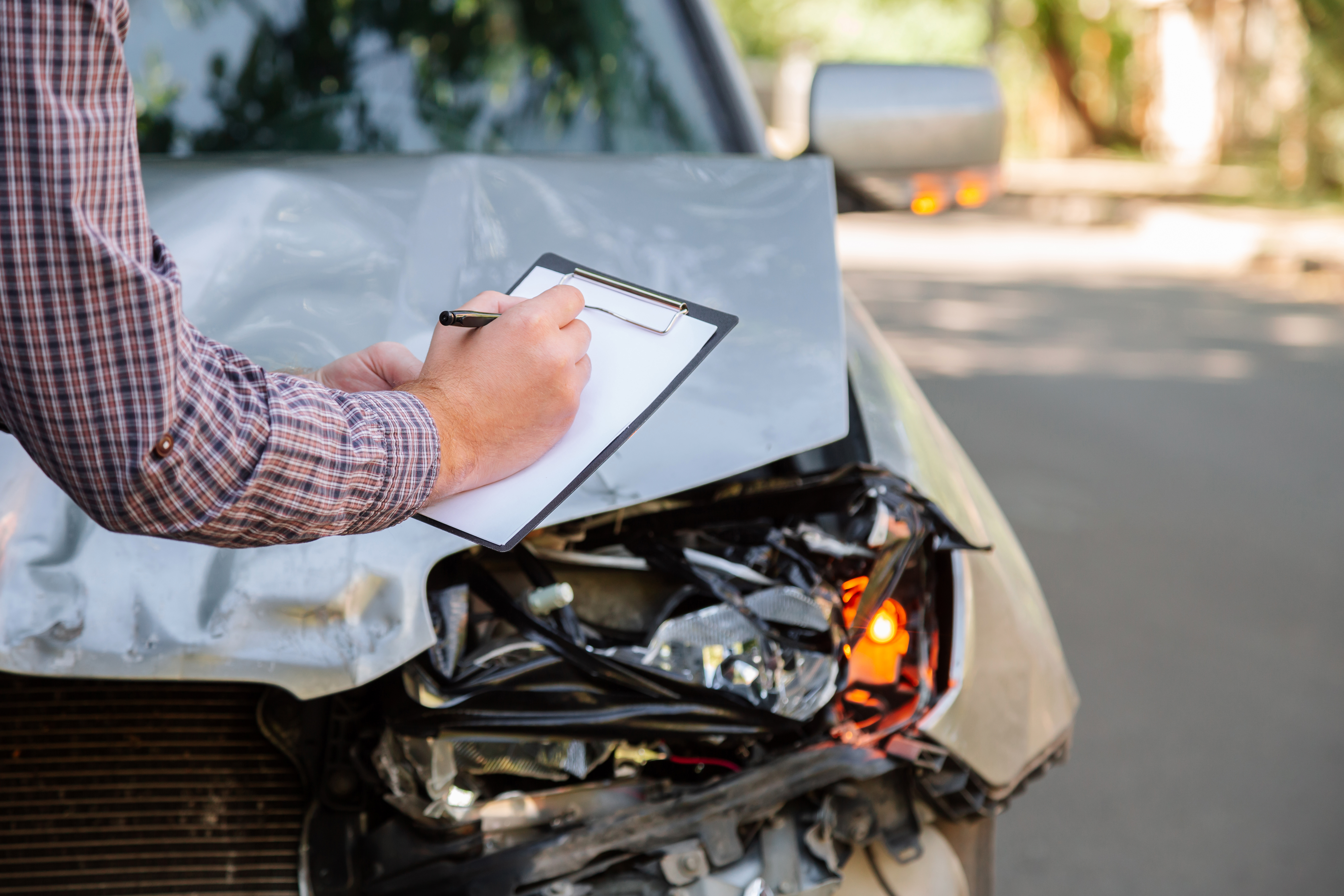
Motor vehicle crashes are among the most common causes of workplace injuries and fatalities nationwide. Each year, thousands of workers are injured in accidents that occur while performing job-related duties. Many of the risks mirror everyday driving hazards—distractions, speeding, or fatigue—but work-related driving adds additional pressure. Tight deadlines, unfamiliar routes, or multitasking on the road all increase accident risk.
Because of these added demands, employers should maintain safe vehicles, provide proper driver training, and establish clear safety expectations. These measures help reduce the likelihood of collisions and also strengthen a company’s position if an accident results in a workers’ compensation claim or dispute with an insurer.
How Workers’ Compensation Applies to Work‑Related Car Accidents
When an employee is injured in a crash that occurs during the course of their employment, they are generally entitled to workers’ compensation benefits in Colorado. This no‑fault system covers medical treatment, rehabilitation, and partial wage replacement—even when the employee’s own actions contributed to the collision. However, workers’ compensation does not cover damages such as pain and suffering.
Employees may still pursue claims against negligent third parties, including reckless drivers or vehicle manufacturers. In these situations, injured workers often benefit from guidance from a workers’ comp lawyer in Littleton, CO who can help coordinate both workers’ compensation benefits and third‑party recovery options. When employees use their own vehicles for work duties, workers’ compensation typically still applies, but property damage is generally handled through the employee’s auto insurance policy.
Company Vehicles and Liability Considerations
When a crash involves a company-owned vehicle, determining liability can become more complex. Most businesses carry insurance to protect against crashes involving employees, and these policies generally cover injuries or property damage sustained by third parties.
However, if the employee was driving off duty, using the vehicle for personal purposes, or operating under the influence, they may face personal liability or employment consequences. In some cases, both employers and employees may share responsibility—especially when employers fail to maintain vehicles, provide adequate training, or enforce safety protocols. These situations often benefit from the support of an experienced Colorado injury law firm familiar with employer negligence and workplace death claims.
Determining Fault After a Work‑Related Accident
Determining responsibility after a crash involving work travel requires careful evaluation of several factors, including:
- The employee’s purpose for driving at the time of the accident
- Whether the employee was following company guidelines
- The type of insurance coverage held by both parties
- Vehicle ownership and maintenance history
These details help define who is responsible for damages, how medical treatment is handled, and what benefits the employee may receive. For employers, clarity around liability also helps them establish strong safety programs to reduce future risks.
Why Understanding Employer Liability Matters
Work‑related driving is a routine part of many jobs but brings considerable risk. Understanding employer liability ensures both workers and businesses have appropriate protections in place—from insurance coverage to compliance with Colorado workers’ compensation laws.
For injured employees, knowing these rules helps them access proper care and wage benefits. For employers, clear communication, consistent training, and practical expectations reduce exposure to lawsuits and insurance claim denials. When accidents do occur, consulting a personal injury attorney in Littleton, CO or a motor vehicle crash injury attorney can help determine the best path forward.
Ultimately, understanding employer responsibility in work‑related car accidents empowers everyone involved to handle the aftermath more effectively and to prevent similar incidents in the future.